
2027 Bronco Filson Edition: Price, Specs and Release Date of the Luxury Bronco
The 2027 Ford Bronco Filson pairs the Sasquatch package and a 3.0L EcoBoost V6 with a Filson-designed cabin. Target price in the mid-$70,000s, orders this fall.
Every spec.
Every car.
Oil capacity, tire size, bolt pattern, MPG and recalls by year, make and model.
The 2027 Ford Bronco Filson pairs the Sasquatch package and a 3.0L EcoBoost V6 with a Filson-designed cabin. Target price in the mid-$70,000s, orders this fall.
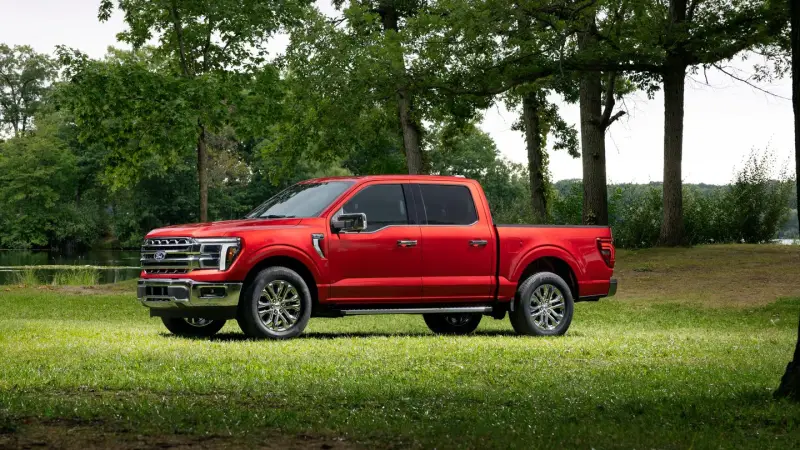
The 5.0L V8 returns to the 2027 F-150 King Ranch and Platinum with 400 hp. New 3.0L EcoBoost base engine, BlueCruise with towing, release date and prices.
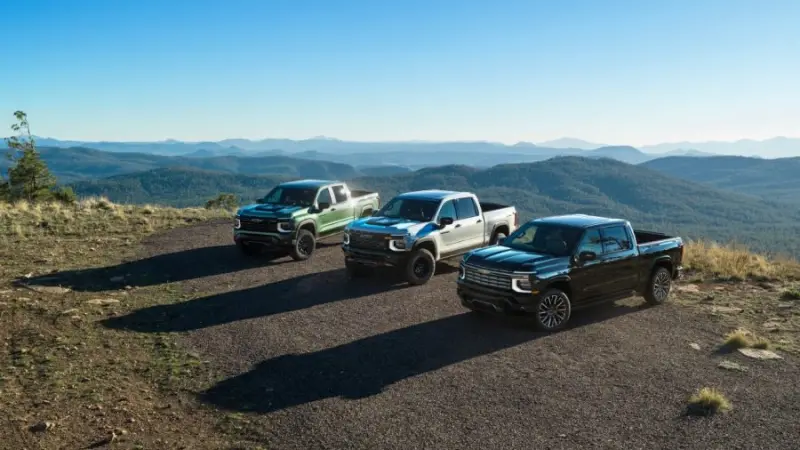
GM confirmed the 2027 Silverado V8s: 402 hp from the 5.7L, 481 hp from the 6.6L. Towing capacity, Duramax and TurboMax numbers, and which trim gets which engine.

The best-selling cars of 2026 through June: F-Series and Silverado lead, the CR-V is the top SUV, Camry the top car, and the RAV4 dips during its changeover.
Engine oil capacity and grade with the filter, coolant, transmission fluid and brake fluid.
Factory tire and wheel sizes, bolt pattern, lug thread and lug nut torque.
EPA city, highway and combined MPG for every engine and transmission.
Service intervals for oil, filters, spark plugs, fluids and coolant.
Every NHTSA recall campaign for the model year, newest first.
Known issues backed by recalls, service bulletins or owner complaints.
Oil capacity with the filter and the viscosity grade come from the owner's manual and change with the engine — a 2020 Mustang takes 6.0 qt with the 2.3L but 10.0 qt with the 5.0L V8.
235/50R18 is a 235 mm tire with a 50% sidewall on an 18-inch rim; 5x114.3 means five lugs on a 114.3 mm circle. Tire pressure is on the driver's door jamb.
Oil, filters, spark plugs and fluids are listed at the longest interval the manufacturer allows.
Every model year lists its NHTSA campaigns; check your own VIN at nhtsa.gov/recalls.
Capacities, fluid grades and service intervals come from the manufacturers' owner's manuals. Fuel economy is EPA data from fueleconomy.gov, and recalls come straight from NHTSA. Each spec page lists its sources and the date its data last changed.